K-PAI Activities
K-PAI’s impact extends beyond our monthly forums through strategic partnerships and collaborative initiatives. Here are our key activities that demonstrate our commitment to bridging Silicon Valley’s AI expertise with global stakeholders.
At a Glance ⭐
| Item | Owner(s) | Status |
| Silicon Valley Expert Roundtable with Korean National Assembly Members | Sunghee | Completed on 07-Oct-2025 |
| SNU Engineering Faculty Networking Dinner & Coffee Chat | Sunghee Chanik | Completed on 08-09 Jan 2026 |
| KAIST Silicon Valley Talent Attraction Roundtable | Sunghee | Completed on 22-Jan-2026 |
| SNU College of Engineering Strategic Partnership Initiative | Chanik Sunghee | Kick-off dinner completed; MOU signing & execution in progress |
| Korea University Business School (KUBS) Center for Digital Transformation & Business (CDTB) Partnership Initiative | Sunghee | Under development |
| Joint Hackathon with Krafton (PUBG Developers) | Sunghee + Peter | Under development |
Silicon Valley Expert Roundtable with Korean National Assembly Members @ 07-Oct-2025
On October 7, 2025, K-PAI played a pivotal role in organizing a high-level roundtable meeting titled “Silicon Valley Korean Expert Roundtable” in partnership with KOTRA Silicon Valley. This event brought together distinguished guests from South Korea, including four National Assembly members focused on AI policy, the AI-specialized consul from the Korean Consulate General, representatives from major tech companies, investors, and biotech startup executives.
As part of the Perpetual Alliance between K-PAI and KOTRA Silicon Valley, K-PAI provided technical consultation by recruiting and recommending a diverse pool of Silicon Valley experts across multiple disciplines. This initiative exemplifies one of the core commitments of our strategic alliance: connecting Korean policymakers and business leaders with Silicon Valley’s finest minds.
The roundtable was a resounding success, with participating experts delivering decisive insights and leading productive discussions on AI policy and technology trends. This collaboration demonstrates K-PAI’s ability to mobilize our community’s expertise for meaningful cross-border dialogue on critical AI and privacy issues.
Read more about this event on Facebook
Owner: Sunghee, K-PAI Leader
Status: Completed (07-Oct-2025)
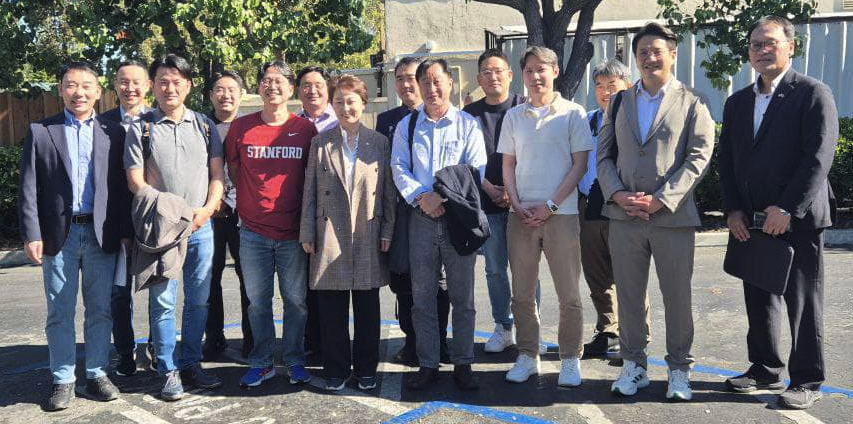
From left – Senator Kim / / Jae H. Pyeon @ San Jose State University / Jaydn Yoon @ Google / Sunghee Yun @ Erudio Bio / Jehwan Yoo @ OmicInsight / Senator Lee / Oh Hyoung Kown @ KOTRA Silicon Valley / Senator Kim / Sungwon Lim @ ImpriMed / Soo Jong Kwak @ LIEN Economic Research / Senator Jeon / Consul Lee @ Consulate General of the Republic of Korea in San Francisco
SNU Engineering Faculty Networking Dinner & Coffee Chat @ 08-09 Jan 2026
On January 8-9, 2026, K-PAI facilitated two exceptional networking events connecting Stanford’s graduate community with Seoul National University (SNU) College of Engineering leadership—creating meaningful pathways for aspiring academics to explore faculty careers at one of Korea’s most prestigious institutions. These valuable connections were made possible by Nathan, an enthusiastic new K-PAI member who also delivered an excellent presentation at our 13th Forum.

January 8, 2026 - Faculty Networking Dinner
Professor Young-Oh Kim, Dean of Seoul National University College of Engineering, hosted an intimate dinner at an outstanding Chinese restaurant in Palo Alto during his Silicon Valley visit. The event was designed to provide candid, practical guidance about academic careers to Silicon Valley-based Korean scholars considering faculty positions.
The response from Stanford’s graduate community was overwhelming—so many PhD students and postdoctoral scholars wanted to participate that K-PAI regretfully had to limit attendance to 8 students to ensure quality dialogue. The final group included 8 Stanford PhD students and postdocs across diverse engineering disciplines, plus one industry professional, creating the perfect environment for deep, meaningful conversations.
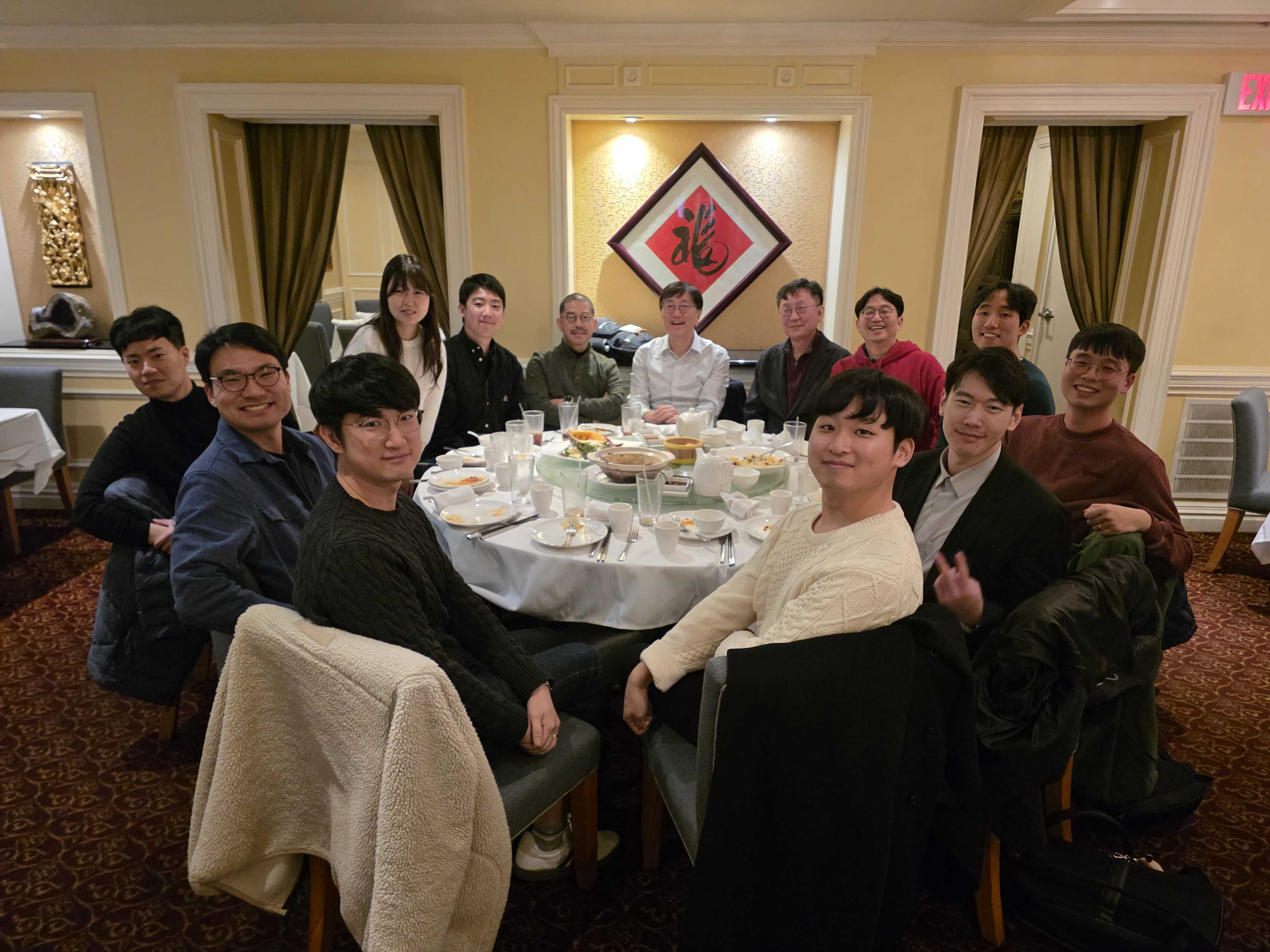
The dinner conversation ranged widely across critical topics facing academic careers today.
- Faculty Recruitment Strategies - How universities should attract exceptional scholars from both academia and industry, competing with lucrative Silicon Valley opportunities while building world-class research programs
- VISA & Immigration Challenges - Navigating complex visa processes for international scholars—a crucial practical barrier affecting talent mobility between Silicon Valley and Korea
- Research Areas vs. Industry Dynamics - Balancing specialized academic research with rapidly evolving industry needs, particularly in fast-moving fields like AI, semiconductors, and biotechnology
- Building Research Groups - Concrete strategies for attracting talented graduate students and postdocs once becoming faculty, establishing successful research programs from scratch
- Practical Career Concerns - Honest, candid discussions about realistic considerations including age expectations for new faculty appointments, tenure timelines, research funding realities, and work-life balance in academia
The dialogue was remarkably candid and practical—exactly the kind of real-world guidance that prospective faculty need but rarely receive in formal settings. Dean Kim’s openness about SNU’s recruitment process, research environment, and support systems created an atmosphere where students felt comfortable asking the questions that truly matter when considering academic careers.
January 9, 2026 - Spontaneous Coffee Chat Follow-up
The dinner conversation was so engaging and valuable that Sunghee immediately proposed and arranged a follow-up coffee chat the very next afternoon! This spontaneous continuation demonstrated K-PAI’s responsiveness to community needs and commitment to maximizing value from Dean Kim’s Silicon Valley visit.
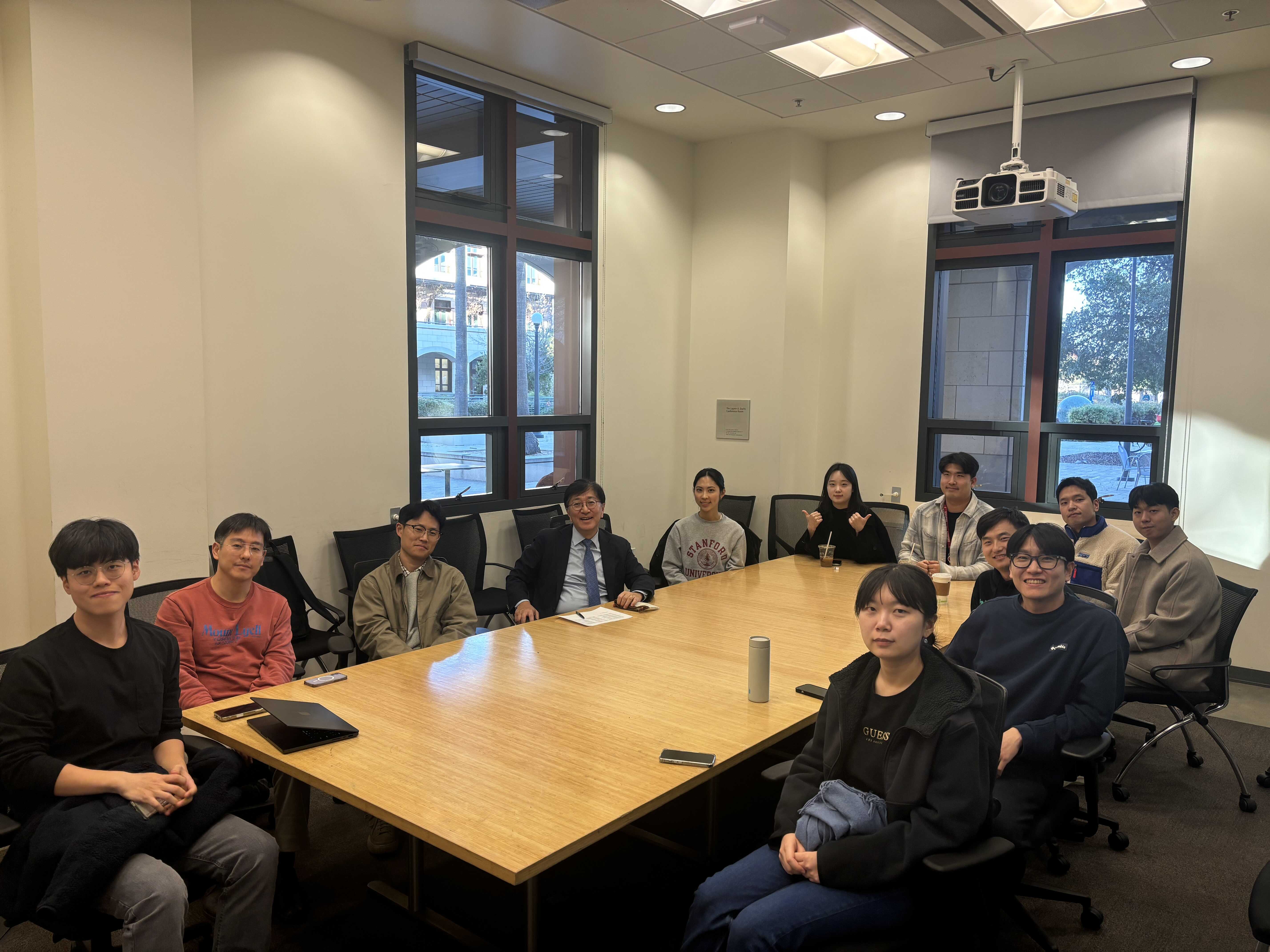
The coffee chat brought Dean Kim together with another group of 18!! Stanford PhD students and postdoctoral scholars in a casual campus coffee shop setting, extending the meaningful exchange to scholars who couldn’t attend the dinner. The informal atmosphere encouraged even more candid discussions about career transitions, research opportunities, and the practical realities of academic life at SNU.
Community Impact
These back-to-back networking events accomplished multiple strategic objectives.
- Direct Personal Connections - Created authentic relationships between Dean Kim and promising Silicon Valley-based Korean scholars, moving beyond transactional recruitment to genuine mentorship conversations
- Validated Strong Demand - Overwhelming interest from Stanford community confirmed significant appetite for Korea-US academic exchange opportunities and information about faculty careers at premier Korean institutions
- Demonstrated K-PAI Value - Showcased K-PAI’s ability to facilitate meaningful career development opportunities for members, connecting Silicon Valley scholars with Korean academic leadership
- Pragmatic Career Guidance - Provided rare access to candid, practical information about academic careers that’s difficult to obtain through formal channels—helping scholars make informed decisions about their futures
The spontaneous organization of the second event perfectly exemplifies K-PAI’s agility and member-centric approach—when we saw value and demand, we acted immediately to maximize the opportunity.
Owner: Sunghee Yun, K-PAI Leader
Status: Completed (08-09 Jan 2026) ✅
KAIST Silicon Valley Talent Attraction Roundtable @ 22-Jan-2026
K-PAI organized a strategic roundtable meeting with KAIST Professor Chaegwon Lim as part of the Ministry of Science and ICT’s “Performance-Driven Overseas Talent Attraction Program.” This initiative represents a significant opportunity to bridge Silicon Valley’s Korean scientific and engineering community with Korea’s national talent development strategy.
About the Initiative
Professor Lim, a former Ministry of Science and ICT official and current visiting professor at KAIST School of Electrical Engineering, is conducting field research to understand the real needs and challenges faced by Korean scientists and engineers working in Silicon Valley. This roundtable goes beyond simple talent recruitment—it aims to create a comprehensive understanding of:
- The authentic voices and experiences of Korean scientists and engineers in Silicon Valley
- Latest trends and industry dynamics in AI and cutting-edge technologies
- Challenges faced while working in Silicon Valley and areas where Korea-US collaboration could be improved
- Concrete collaboration opportunities between KAIST and Silicon Valley
- Ways to more closely connect Korea’s science and technology ecosystem with global innovation hubs
Roundtable Dinner: 22-Jan-2026 - COMPLETED ✅
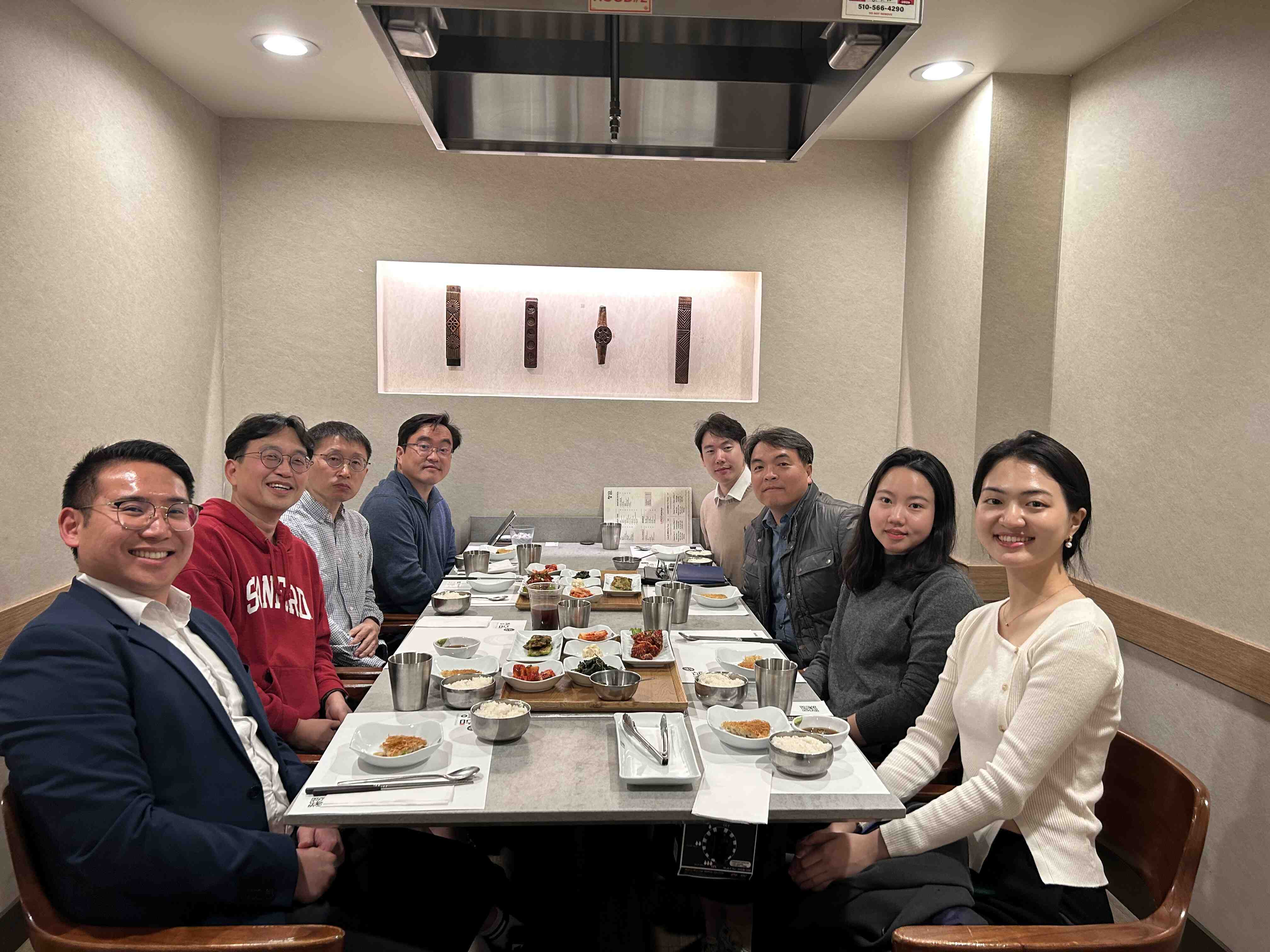
The roundtable was held at Chungdam Korean BBQ, bringing together Professor Chaegwon Lim and 6 carefully selected K-PAI members representing diverse expertise across Silicon Valley’s AI and technology landscape. What made this dinner exceptional was the depth and candidness of the conversation—participants didn’t just share surface-level observations but engaged in substantive dialogue about the fundamental factors that make Silicon Valley’s ecosystem work and how Korea might adapt these insights.
Key Discussion Topics & Insights
Korea's Strategic Policy Shift
The new Korean government administration has fundamentally changed its approach to talent development. Recognizing that the previous administration’s “international collaboration” strategy didn’t work as intended, the new policy focuses on attracting Korean talents living abroad back to Korea—particularly for university faculty positions. This represents a pragmatic shift toward leveraging the diaspora of Korean scientists and engineers who have gained invaluable experience in global innovation hubs like Silicon Valley.
The government is considering multiple incentive mechanisms including competitive salaries and favorable working conditions to make Korean university positions attractive to Silicon Valley professionals.
Compensation Realities
Professor Lim and K-PAI participants discussed specific salary ranges and compensation packages that would be necessary to attract top Silicon Valley talent to Korean academic positions. The conversation was remarkably frank, addressing the substantial gap between current Korean academic salaries and Silicon Valley compensation, while also acknowledging that money alone isn’t the primary motivator for many professionals.
What REALLY makes Silicon Valley Silicon Valley
Beyond compensation, the roundtable identified critical cultural and structural factors that enable Silicon Valley’s success:
🔬 Genuine Respect for Technical Excellence: Silicon Valley has cultivated a culture that authentically values and respects engineering and scientific talent—not just as implementers but as innovation drivers and strategic thinkers. This respect is embedded in organizational structures, decision-making processes, and career advancement pathways.
🎯 The Individual Contributor (IC) Career Path: One of Silicon Valley’s “secret sauces” is that exceptional engineers can flourish and reach the highest levels of influence, compensation, and respect without transitioning to management roles. Distinguished Engineers, Principal Scientists, and Staff+ engineers command immense respect and resources while remaining deeply technical. This stands in contrast to many organizations where the only path to advancement is management—forcing talented engineers into roles they may not want or excel at.
📈 Upward Standardization through Talent Mobility: Silicon Valley’s high talent mobility—engineers moving between companies—creates a virtuous cycle where each company’s bar is continuously raised. When top talent from Google joins a startup, or Amazon engineers move to Meta, they bring best practices, elevated expectations, and higher standards. This cross-pollination of excellence creates an ecosystem-wide elevation of quality that benefits everyone.
💡 Engineering-Savvy Product Management: The roundtable observed that even Product Managers in Silicon Valley increasingly need strong engineering backgrounds to be effective. The days of PMs who don’t understand technology are ending—modern Silicon Valley PMs with engineering backgrounds are flourishing because they can have technical depth conversations, make informed tradeoffs, and earn engineers’ respect. This integration of technical and product thinking accelerates innovation.
Community Impact & Participant Feedback
The roundtable was remarkably successful—exceeding expectations in both depth and value. Multiple K-PAI participants shared that they learned tremendously from this single dinner conversation, gaining insights not just about Korean government policy but about the fundamental dynamics that make their own Silicon Valley careers possible.
Participants specifically requested more opportunities like this—recognizing that these substantive dialogues with Korean policymakers and academics create bidirectional learning: Professor Lim gains authentic ground-truth insights to inform national policy, while K-PAI members gain deeper appreciation for the broader Korea-US talent ecosystem and their potential role in shaping it.
What K-PAI Demonstrated
This roundtable showcased K-PAI’s unique value proposition as a strategic connector:
✅ Trusted Convener - ability to recruit highly qualified Korean professionals for candid policy discussions
✅ Quality Curation - 6 carefully selected participants representing diverse Silicon Valley expertise
✅ Honest Dialogue - creating safe space for frank conversations about sensitive topics (compensation, cultural gaps, policy effectiveness)
✅ Actionable Insights - providing Korean government and academic institutions with ground-truth intelligence to inform talent attraction strategies
✅ Bidirectional Value - ensuring K-PAI members also gain valuable insights and connections
This roundtable exemplifies K-PAI’s expanding role as a strategic bridge between Silicon Valley’s Korean professional community and Korea’s national science and technology initiatives. The insights gathered will directly inform Ministry of Science and ICT programs designed to attract overseas Korean talent and strengthen Korea-US bilateral collaboration in critical technology domains.
Owner: Sunghee, K-PAI Leader
Status: Completed (22-Jan-2026)
SNU College of Engineering Strategic Partnership Initiative
K-PAI is developing a formal strategic partnership with Seoul National University College of Engineering, one of Korea’s most prestigious engineering institutions. This initiative aims to establish a Memorandum of Understanding (MOU) that will create systematic pathways for collaboration between K-PAI’s Silicon Valley community and SNU’s academic ecosystem.
The Partnership Vision
Dean Young-Oh Kim is visiting Silicon Valley to explore comprehensive Korea-US academic and professional exchange opportunities. Rather than a one-time event, this represents K-PAI’s evolution toward institutionalized partnerships with leading Korean universities. The deliverable is a signed MOU that will formalize ongoing collaboration across multiple dimensions.
Kick-off Strategic Partnership Dinner: January 9, 2026 - COMPLETED ✅
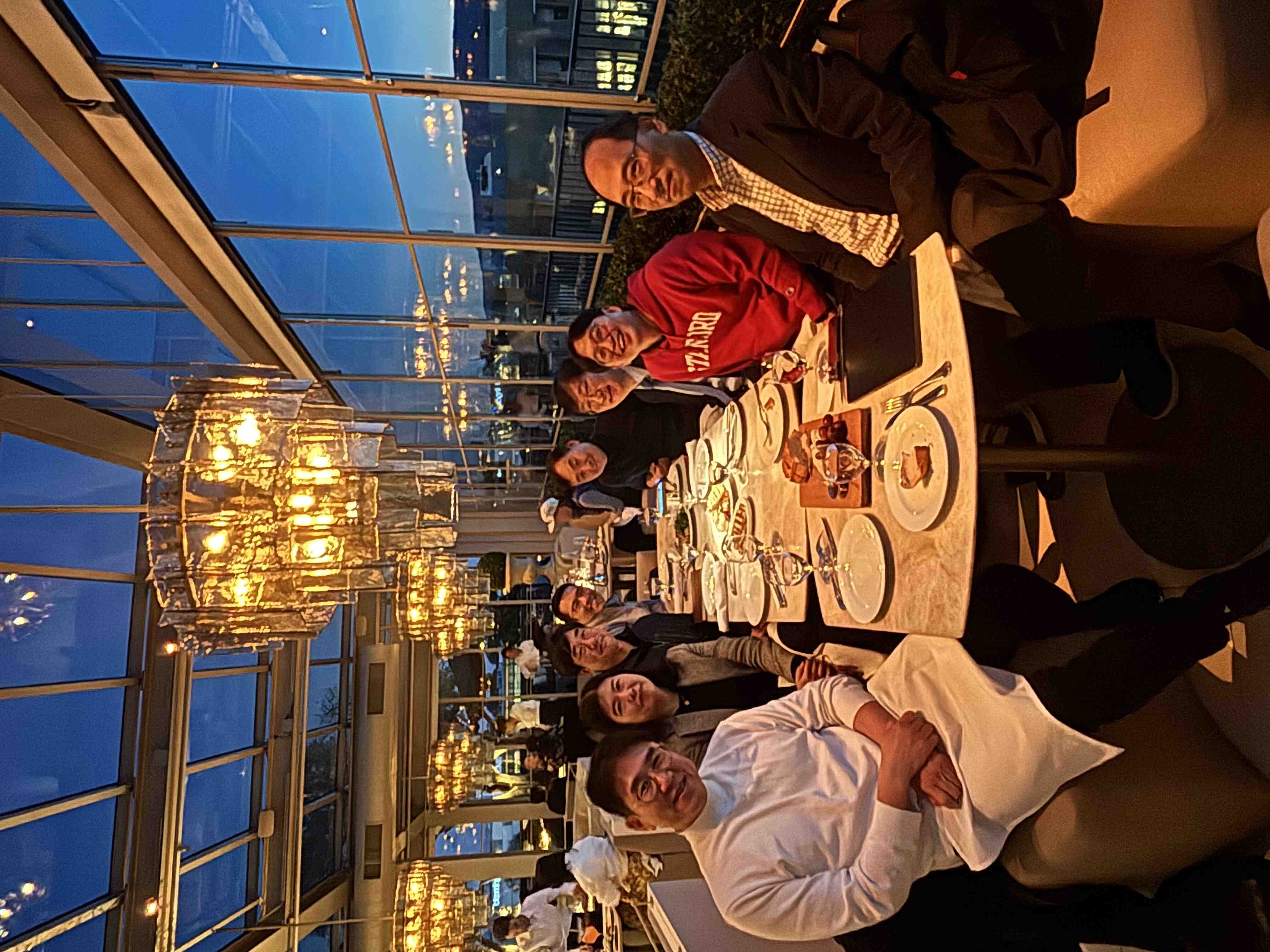
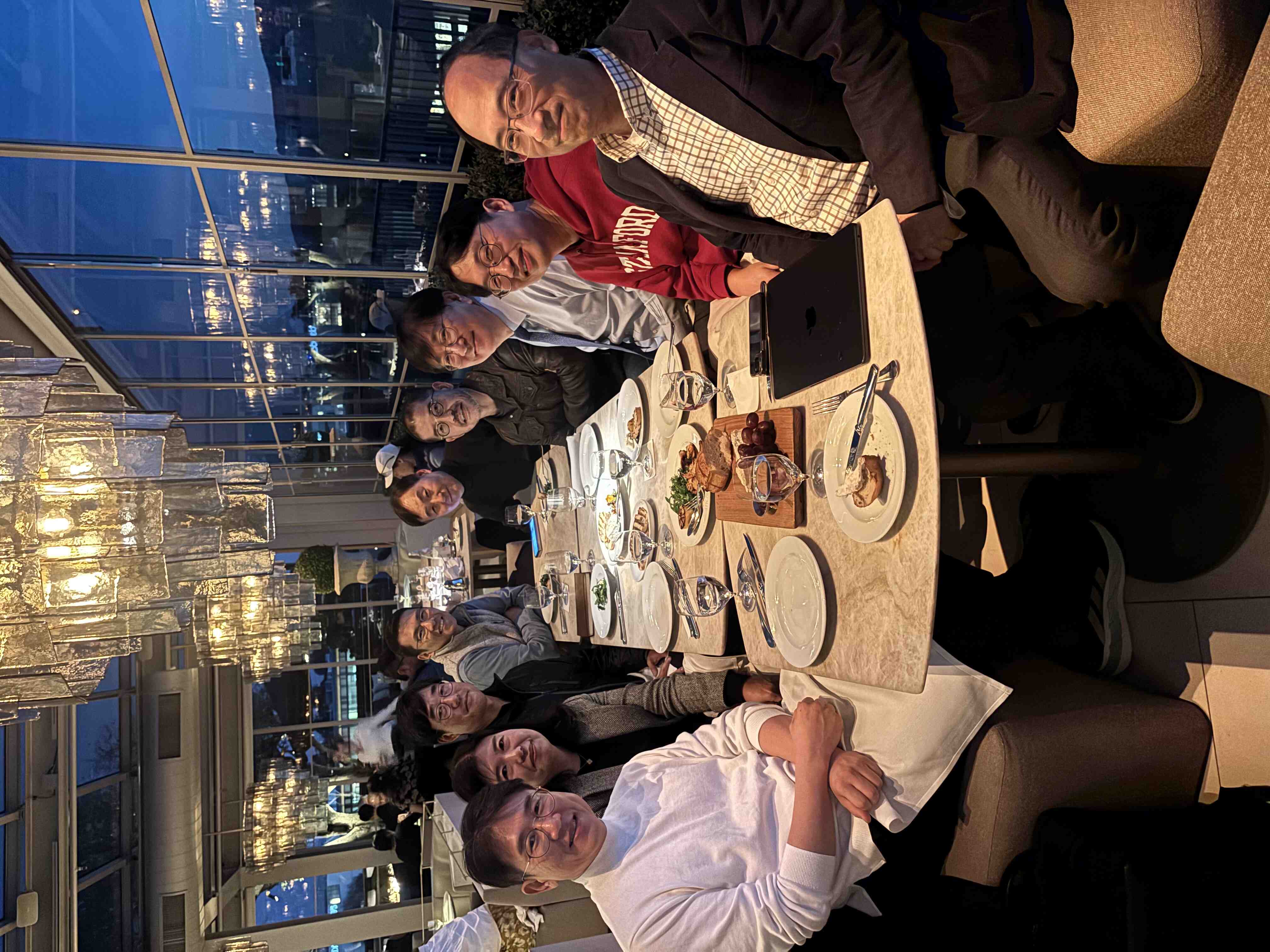
The partnership initiative launched with tremendous success! Dean Young-Oh Kim hosted an elegant strategic dinner at a luxury restaurant in Palo Alto, bringing together K-PAI leadership and selected members to discuss and formalize the collaboration framework. This wasn’t just a networking dinner—it was a working session that produced concrete, actionable commitments transforming the partnership from concept to reality.
Concrete Agreements & Action Items
The dinner yielded specific, time-bound commitments across multiple collaboration dimensions:
1. Immediate Actions - Launching NOW
✅ SNU Student Internship Pipeline: K-PAI will IMMEDIATELY initiate connections between SNU entrepreneur students and Silicon Valley companies (including startups) for internship opportunities. This addresses the critical gap where talented Korean students struggle to access Silicon Valley industry experience.
✅ VISA Support System: K-PAI will examine the feasibility of establishing a system to help people coming from Korea navigate complex VISA challenges—a practical barrier repeatedly identified as hindering talent mobility.
2. Sunghee's Next Korea Visit - Multi-faceted Engagement
During Sunghee’s (very) next business trip to Korea, the following activities are confirmed:
📢 AI + K-PAI Special Seminar - Sunghee will deliver a comprehensive seminar to SNU Engineering School (potentially extended to Natural Sciences, Humanities and Social Science schools) conveying differentiated knowledge, experience, and insights around AI that ONLY K-PAI can deliver—covering technology, industry dynamics, market evolution, entrepreneurship, investment horizons across both software, product, service, and hardware, and Silicon Valley’s unique perspective on AI development.
🤝 Professor Roundtable - Sunghee (and possibly other K-PAI members) will conduct an intimate roundtable with SNU engineering professors, potentially including faculty from business school, natural sciences, humanities, and social sciences. – Topics: technology trends, entrepreneurship pathways, industry dynamics, and concrete opportunities for ongoing collaboration.
📝 MOU Signing Ceremony - K-PAI and SNU College of Engineering will formally sign the Memorandum of Understanding, with media coverage (journalists/newspaper reporters invited) to publicly announce this strategic partnership and its tangible deliverables!
3. Sustained Collaboration Models - Framework Established
The dinner established frameworks for ongoing, structured collaboration:
🎓 K-PAI Expert Mentorship Program - K-PAI will provide experts and mentors delivering advice and insights that only Silicon Valley practitioners can offer—supporting SNU students, faculty, and researchers with real-world guidance on technology, startups, and industry careers.
📚 SNU Business Insight Exchange - Complementing K-PAI’s practitioner expertise, SNU will provide specialized, discipline-based business insights for entrepreneurs—the kind of rigorously grounded academic knowledge that only professionally trained professors can deliver. This represents the complementary strengths of K-PAI (real builders in Silicon Valley) and SNU College of Engineering (scholars with deep academic knowledge and theory).
🌏 Student Exchange Programs - Facilitating Korean-American students to study at SNU for academic year programs, experiencing Korea’s innovation ecosystem while maintaining Silicon Valley connections—creating bicultural, bilingual talent pipelines.
🌟 StartX Partnership Pipeline - A Game-Changing Opportunity - Through Sunghee Yun’s close friendship with Andrew Radin, AI Director at StartX, K-PAI can connect SNU College of Engineering to one of the world’s premier startup accelerators. StartX is Stanford’s premier startup accelerator that has supported over 1,700 companies with combined market valuations exceeding $100 billion, including notable successes like Lime, Turo, and Patreon. This connection represents a potentially transformational leap in SNU’s capacity to encourage and support entrepreneurship—giving SNU students, faculty, and alumni access to Silicon Valley’s most sophisticated startup support infrastructure, mentorship networks, and investment ecosystems. This is the kind of unique, high-value connection that ONLY K-PAI can provide through its deep Silicon Valley relationships.
🎤 Knowledge Exchange Forums - Organizing regular seminars, workshops, and technical talks connecting SNU researchers with Silicon Valley practitioners—systematic knowledge transfer between academia and industry.
🚀 Startup Ecosystem Connection - Supporting SNU startup founders’ Silicon Valley market entry through K-PAI member mentorship, investor introductions, and network access—helping Korean founders navigate Silicon Valley’s unique startup ecosystem.
The MEGA Vision! 🎯
Dean Young-Oh Kim proposed an inspiring slogan capturing the partnership’s ambitious spirit!
MEGA - Make Engineers Great Again!
While the phrasing may evolve, the sentiment perfectly captures our shared mission: empowering engineers to not just build technology, but to lead industries, shape societies, and create meaningful impact. This isn’t just about technical excellence—it’s about cultivating engineers who can bridge cultures, connect ecosystems, and drive innovation at the intersection of Korea and Silicon Valley.
When you think of K-PAI × SNU College of Engineering collaboration, think MEGA! 🚀
What Makes This Partnership Unique
This collaboration exemplifies K-PAI’s distinctive value proposition:
- Actionable from Day One - Moving immediately from agreements to execution (internship pipeline launching NOW)
- Complementary Strengths - Combining Silicon Valley’s practical builder expertise with SNU’s rigorous academic foundation
- Bidirectional Value - Not just K-PAI helping SNU, but genuine mutual benefit and knowledge exchange
- Media Visibility - MOU signing with press coverage establishes this as significant institutional partnership
- Member Engagement - Creating concrete opportunities for K-PAI members to contribute expertise and build Korean connections
- Elite Network Access - Leveraging personal relationships (like Sunghee’s friendship with StartX AI Director Andrew Radin) to connect SNU with world-class Silicon Valley institutions that would otherwise be difficult to access
What This Partnership Represents
This MOU initiative demonstrates K-PAI’s maturation from event organizer to institutional partner!
- Sustained Impact - Moving beyond one-time interactions to ongoing, structured collaboration
- Tangible Deliverables - Creating formal frameworks that outlive individual initiatives
- Member Value - Providing K-PAI members with concrete opportunities for academic collaboration, talent development, and cross-border innovation
- Strategic Positioning - Establishing K-PAI as a trusted bridge institution between Silicon Valley and Korea’s premier universities
For K-PAI Members
This partnership offers multiple engagement opportunities:
- Host SNU interns and exchange students
- Mentor SNU startup founders entering Silicon Valley
- Access SNU’s research capabilities and talent pipeline
- Participate in joint research projects bridging industry and academia
- Serve as guest lecturers or research collaborators at SNU
- Connect with StartX ecosystem through the SNU-StartX partnership pipeline
Owner: Chanik Park, K-PAI Leader & Sunghee Yun, K-PAI Leader
Status: Kick-off strategic dinner completed (09-Jan-2026) ✅; MOU signing scheduled for Sunghee’s next Korea visit; internship pipeline launching immediately
Korea University Business School (KUBS) Center for Digital Transformation & Business (CDTB) Partnership Initiative
Following a series of AI lectures at Korea University Business School, Sunghee as K-PAI Leader is developing an exciting partnership opportunity with one of Korea’s most prestigious business schools.
During discussions with CDTB professors after the third AI seminar, an interesting challenge emerged - major business management journals often prioritize theoretical completeness over practical, innovative research. This creates a gap between cutting-edge industry practices and academic publications.
K-PAI is proposing an online roundtable series that would connect:
- Korea University Business School professors ↔ K-PAI Members
What K-PAI Brings to the Table
- Data-driven approaches and methodologies
- Practical AI/ML implementation know-how
- Silicon Valley industry and academic insights
- Real-world case studies and applications
What K-PAI Members Will Learn
- Academic perspectives and research rigor
- Theoretical frameworks for AI applications
- Insights from organizational studies and sociology
- Pathways for industry-academia collaboration
This partnership represents a significant opportunity for K-PAI members to engage in meaningful external activities with tangible impact. Beyond technical discussions, this collaboration opens doors to interdisciplinary learning—from organizational management to sociological perspectives on AI deployment. The initiative also lays groundwork for potential industry-academia joint projects and expanded networking with distinguished business school faculty.
Owner: Sunghee, K-PAI Leader
Status: Under development by Sunghee & KUBS CDTB Professors
Joint Hackathon with Krafton (PUBG Developers)
K-PAI is exploring an innovative collaboration with Krafton, the renowned game developer behind PlayerUnknown’s Battlegrounds (PUBG). This opportunity emerged from a serendipitous meeting with a talented AI leader at Krafton during Sunghee’s recent visit to Seoul.
About Krafton’s AI Capabilities Krafton has assembled an impressive team of over 100 AI/ML PhDs and researchers. However, like many large organizations, they face departmental silo challenges that can hinder cross-functional innovation. Their AI-based game development team is at the forefront of applying cutting-edge AI technologies to create next-generation gaming experiences including, but not limited to, state-of-the-art LLM and genAI techniques!
The Opportunity Krafton’s AI team is planning a visit to Silicon Valley, and preliminary discussions have identified the possibility of co-hosting a joint hackathon with K-PAI. This event would bring together:
- Krafton’s game development AI expertise
- K-PAI’s privacy-preserving AI knowledge
- Silicon Valley’s collaborative innovation culture
The hackathon format would foster intensive collaboration, knowledge exchange, and potentially breakthrough solutions at the intersection of gaming, AI, and privacy technology. While still in early development stages, this partnership could create a unique bridge between entertainment technology and privacy-preserving AI applications.
Owner: Sunghee, K-PAI Leader & Krafton AI Game Dev Lead
Status: In active development
These activities demonstrate K-PAI’s commitment to expanding our influence beyond monthly forums, creating practical values for our members, and building tangible and meaningful bridges between Silicon Valley’s AI ecosystem and global partners. Stay tuned for updates as these initiatives evolve!